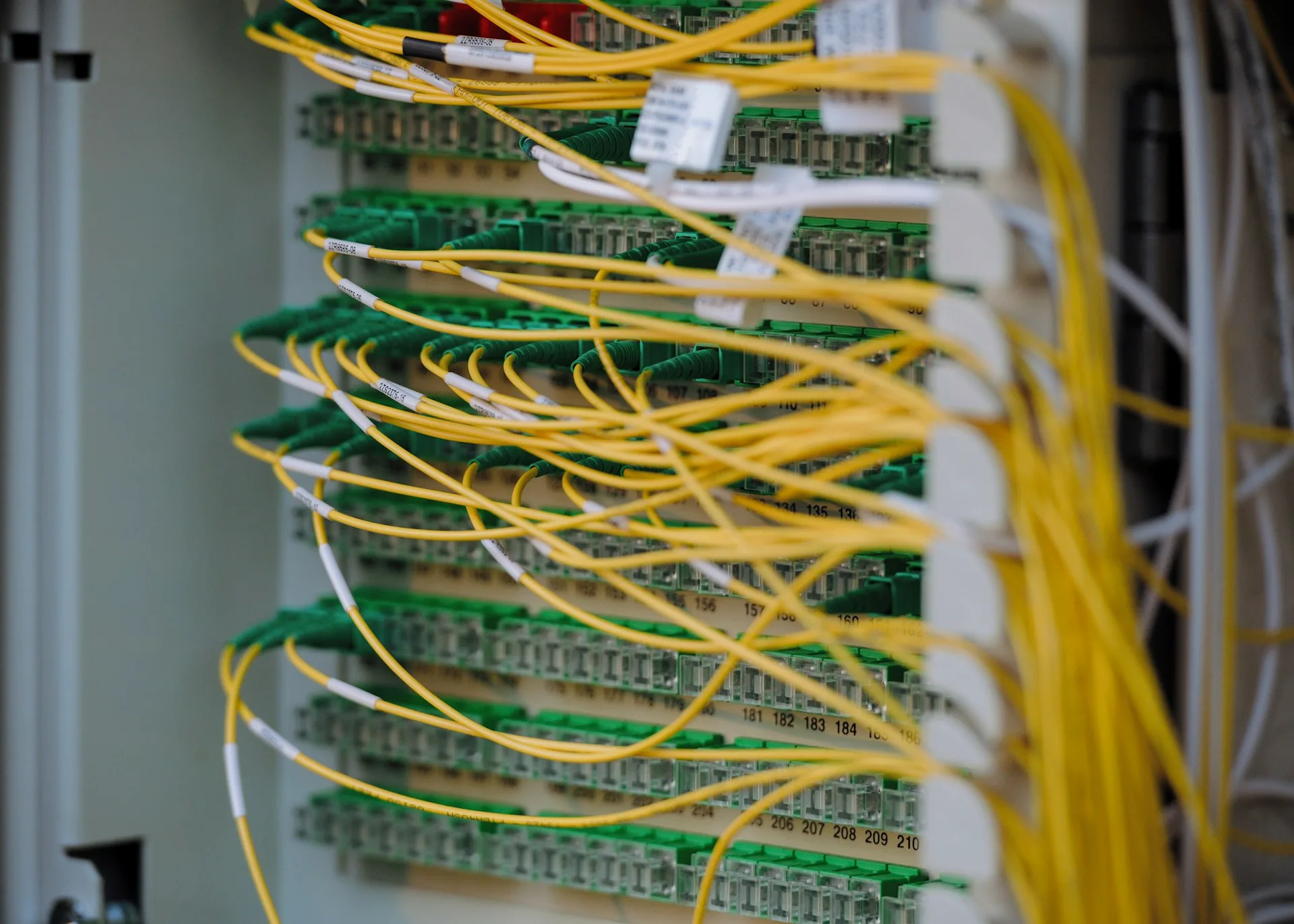
Technical foundation
Rankings are built on infrastructure, not content alone.
Crawl errors, slow page loads, broken redirects, and missing schema tell Google your site isn't ready. Good content on a broken foundation ranks below worse content on a clean one. Technical SEO fixes the foundation.
Most sites that plateau on rankings have a content problem on the surface and a technical problem underneath. Pages that fail to get indexed. Crawl budget wasted on low-value URLs. Redirect chains that dilute link equity. Schema that's missing or malformed. Internal links pointing to the wrong canonical.
These issues don't show up in analytics until you're already losing rankings. By the time the traffic graph drops, competitors with cleaner setups have taken the positions you should own.
Technical SEO isn't a one-time fix. It's an ongoing audit layer that keeps your site readable, indexable, and structurally sound as it grows.
These issues compound. A redirect chain on a page with schema errors and a broken internal link structure gives Googlebot three reasons to move on. Each issue alone costs some equity. Together they stop indexing.
Technical foundation
Rankings are built on infrastructure, not content alone.
Each engagement covers all seven. Fixing one in isolation while others stay broken doesn't move rankings — the full stack does.
Googlebot allocates a finite crawl budget to each site. We identify which URLs consume that budget without contributing to rankings: parameter duplicates, soft-404 pages, faceted navigation traps, and low-value pagination chains. Then we fix the robots.txt, XML sitemaps, and noindex directives to focus crawl spend on the pages that matter.
Being crawled isn't the same as being indexed. We audit canonical tags for conflicts, check hreflang implementation on multilingual sites, identify pages stuck in discovered-not-indexed limbo in Search Console, and resolve the coverage issues blocking them. Pages you want ranked get indexed. Pages you don't want ranked stop diluting your authority.
We work against field data from Search Console and CrUX, not just lab scores. LCP, CLS, and INP issues get traced to their root cause: unoptimized images, render-blocking scripts, font loading strategy, third-party tag overhead, and server response time. Fixes are concrete and implementable, with before-and-after field data tracked over 28-day periods.
We audit every redirect on your site and collapse chains into single 301s. Redirect loops get resolved. Broken links returning 404 with inbound authority get redirected to the correct canonical. URL structure gets reviewed for keyword clarity and crawl depth. The result is a redirect map where every hop transfers equity cleanly and every URL resolves on the first request.
Structured data is the clearest signal you can give Google about what a page contains. We implement JSON-LD schema for the types relevant to your site: Article, Product, FAQPage, BreadcrumbList, Organization, LocalBusiness, Review, HowTo. All markup gets validated against Google's Rich Results Test before deployment and monitored in Search Console for enhancements eligibility.
Internal links determine how PageRank flows through your site and how Googlebot understands your content hierarchy. We audit anchor text distribution, identify orphaned pages with no internal links, find hub pages that need better depth linking, and ensure your highest-priority pages receive the most internal equity. Links to non-canonical URLs get corrected to point directly to the canonical.
A flat, logical site architecture means Googlebot reaches every important page in three clicks or fewer from the homepage. We audit crawl depth, identify silo structures that isolate topical authority, and design a URL hierarchy where related content clusters together. This isn't abstract — it directly affects which pages Googlebot prioritizes and how fast new content gets discovered and indexed.
No assumptions about what's broken. Every engagement starts with a full crawl and data pull before a single recommendation is made.
We run a complete crawl of your site using Screaming Frog alongside live data from Google Search Console and, where available, server log files. This gives us three layers: what Googlebot is actually crawling, what's indexed, and what's returning which status codes. The crawl covers every URL, response code, redirect chain, canonical tag, meta robots directive, and internal link.
Every issue gets classified by impact and fix complexity. Critical issues that block indexing or waste crawl budget come first. Speed and Core Web Vitals issues that affect ranking signals come second. Schema and internal linking work that improves signals comes third. You get a report that tells you exactly what's broken, why it matters in ranking terms, and what fixing it involves technically.
Fixes are implemented directly where possible or delivered as developer-ready specifications with exact code where CMS access is needed. Every fix is verified post-deployment: redirect chains confirmed collapsed, schema validated in Rich Results Test, canonicals confirmed resolving correctly, speed improvements confirmed in field data. Nothing is marked done until Search Console confirms the change.
Technical SEO breaks as sites grow. New content creates new canonicalization questions. New features create new crawl traps. Monthly retainer clients get a standing crawl and Search Console review that catches new issues before they compound. Sites that grow fast get a technical audit layer that keeps pace with the growth.
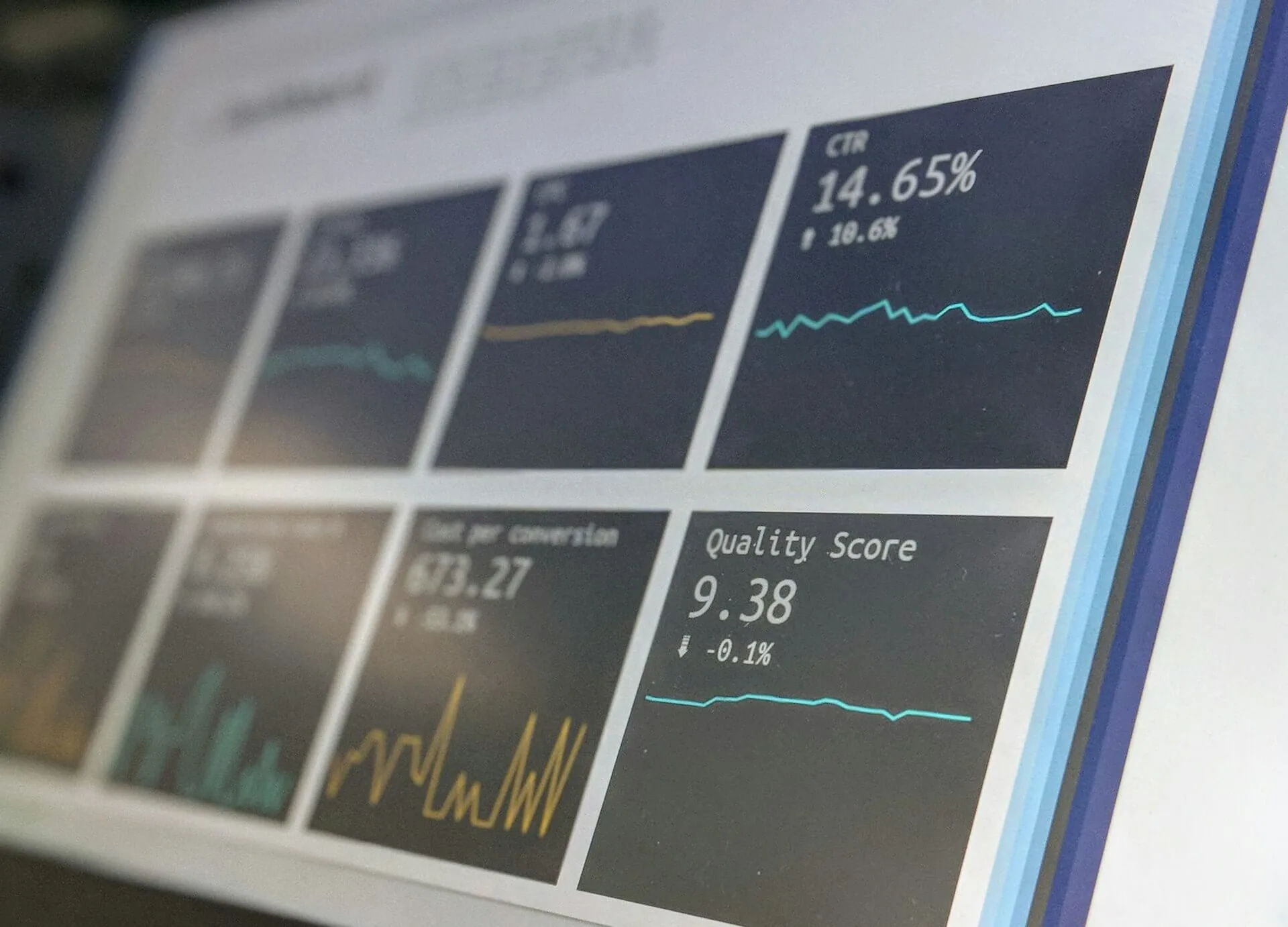
Live monitoring
Every issue tracked until Search Console confirms the fix.
Every engagement ends with implemented fixes and verified results, not a PDF of issues to hand off to a developer.
Technical SEO audits that end as a spreadsheet of issues don't move rankings. Every item in the report gets followed through to Search Console confirmation. That's the difference between an audit and an engagement.
The free audit includes a technical health check. You get a report showing crawl coverage, indexing gaps, site speed in field data, and the top structural issues found on your site. No commitment. Results in 24-72 hours.
Get My Free Technical SEO AuditPart of the free SEO audit. No separate form needed.